 Công Ty Hóa Chất Hanimex HANIMEX Chemical
Source:
How to Make Your Own Hand Sanitizer
PROPERLY SCRUBBING YOUR hands is one of the best ways to stop the spread of germs and viruses, and to ensure you don’t get sick yourself. But if you don’t have access to soap and clean water, or if you’re out and about and nowhere near a sink, you should carry hand sanitizer to protect your health.
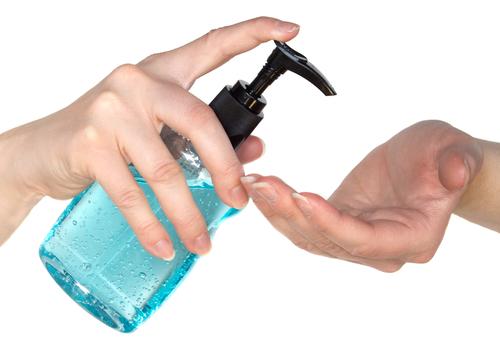
As you’re no doubt aware, bottles of hand sanitizer (Purell, Wet Ones, and the like) sell out quickly during public health crises. But don’t worry—making your own hand sanitizer is remarkably easy. You just have to be careful you don’t mess it up. Make sure that the tools you use for mixing are properly sanitized; otherwise you could contaminate the whole thing. Also, the World Health Organization recommends letting your concoction sit for a minimum of 72 hours after you’re done. That way the sanitizer has time to kill any bacteria that might have been introduced during the mixing process.
(Note: To reiterate, nothing beats washing your hands. Hand sanitizer—even the real, professionally made stuff—should always be a last resort.)
We actually have two recipes for you, and links to find the ingredients. The first is one you can make with stuff you likely already have in your cabinets and under the sink, so it’s effective in emergency situations. The second recipe is more complex, but easy to make if you have the opportunity to do some shopping and planning ahead of time. Another note: a lot of these items are quickly going out of stock because of high demand. There’s a higher chance of finding them at your local drug store, but your first priority is to stay indoors.
Potency Matters
You’re going to need some alcohol. According to the Centers for Disease Control and Prevention, your sanitizer mix must be at least 60 percent alcohol to be effective. But it’s better to get way above that—aim for a minimum of 75 percent. A bottle of 99 percent isopropyl alcohol is the best thing to use. Your regular vodka and whiskey are too wimpy and won’t cut it.
The Quick (Gel) Recipe
- Isopropyl alcohol (also here)
- Aloe vera gel (also here)
- Tea tree oil (also here)
Mix 3 parts isopropyl alcohol to 1 part aloe vera gel. Add a few drops of tea tree oil to give it a pleasant scent and to align your chakras.
The Better (Spray) Recipe
- Isopropyl alcohol (also here)
- Glycerol or glycerin
- Hydrogen peroxide
- Distilled water
- Spray bottle
The aloe mixture gets the job done, but aloe also leaves your skin annoyingly sticky. So, here’s a recipe that’s less sticky and more potent, based on the mix recommended by the WHO.
Mix 12 fluid ounces of alcohol with 2 teaspoons of glycerol. You can buy jugs of glycerol online, and it’s an important ingredient because it keeps the alcohol from drying out your hands. If you can’t find glycerol, proceed with the rest of the recipe anyway and just remember to moisturize your hands after applying the sanitizer.
Mix in 1 tablespoon of hydrogen peroxide, then 3 fluid ounces of distilled or boiled (then cooled) water. (If you’re working with a lower-concentration solution of rubbing alcohol, use far less water; remember, at least ¾ of your final mixture has to be alcohol.)
Load the solution into spray bottles—this isn’t a gel, it’s a spray. You can wet a paper towel with it as well and use that as a wipe.
If you must, you can add in a splash of essential oil to your concoction to make it smell nice. Just don’t use lavender. Everyone else uses lavender, and your sanitizer is superior.
Is it safe?
DIY hand sanitizer recipes are all over the internet these days — but are they safe?
These recipes, including the ones above, are intended for use by professionals with both the expertise and resources to safely make homemade hand sanitizers. Homemade hand sanitizer is only recommended in extreme situations when you’re unable to wash your hands for the foreseeable future.
Improper ingredients or proportions can lead to:
- lack of efficacy, meaning that the sanitizer may not effectively eliminate risk of exposure to some or all microbes
- skin irritation, injury, or burns
- exposure to hazardous chemicals via inhalation
Homemade hand sanitizer is also not recommended for use with children. Children may be more prone to improper hand sanitizer usage, which could lead to greater risk for injury.
How to use hand sanitizer
Two things to be aware of when using hand sanitizer is that you need to rub it into your skin until your hands are dry. And, if your hands are greasy or dirty, you should wash them first with soap and water.
With that in mind, here are some tips for using hand sanitizer effectively.
- Spray or apply the sanitizer to the palm of one hand.
- Thoroughly rub your hands together. Make sure you cover the entire surface of your hands and all your fingers.
- Continue rubbing for 30 to 60 seconds or until your hands are dry. It can take at least 60 seconds, and sometimes longer, for hand sanitizer to kill most germs.
Handwashing vs. hand sanitizer
Knowing when it’s best to wash your hands, and when hand sanitizers can be helpful, is key to protecting yourself from the novel coronavirus as well as other illnesses, like the common cold and seasonal flu.
While both serve a purpose, washing your hands with soap and water should always be a priority, according to the CDC. Only use hand sanitizer if you soap and water isn’t available in a given situation.
It’s also important to always wash your hands:
- after going to the bathroom
- after blowing your nose, coughing, or sneezing
- before eating
- after touching surfaces that could be contaminated
The CDC lists specific instructionsTrusted Source on the most effective way to wash your hands. This is what they recommend:
- Always use clean, running water. (It can be warm or cold.)
- Wet your hands first, then turn the water off, and lather your hands with soap.
- Rub your hands together with the soap for at least 20 seconds. Make sure to scrub the back of your hands, between your fingers and under your nails.
- Turn the water on and rinse your hands. Use a clean towel or air dry.
Tag: glycerine therapy rosewater eczema review vegetable free ethanol does contain making nitroglycerin kaufen großhandel used crabtree & evelyn body lotion rose camille beckman oriental spice 32 oz tuscan honey french vanilla american classic amazon retailers unscented white lilac mango beach midnight monarch morelia 8 charleston plantation secret sea uk liquid substitute where groothandel glycerinezeep handzeep handgemaakte zeep lemon much type there witch hazel i feet
